


 By
By 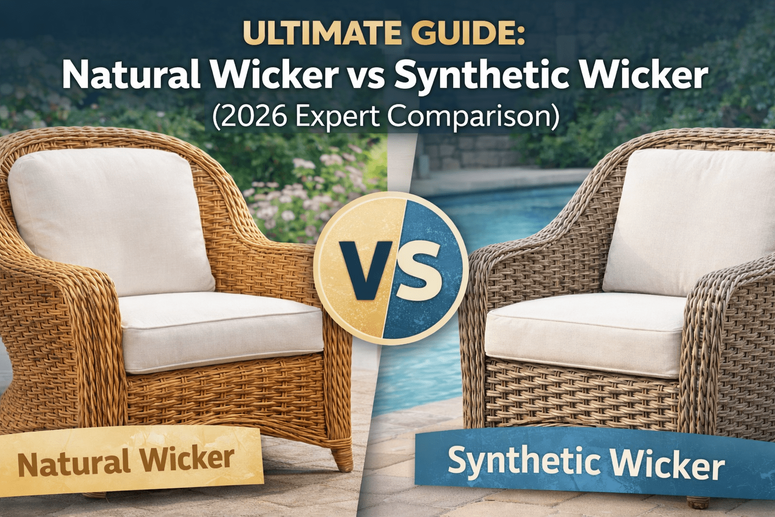
Ultimate Guide: Natural vs Synthetic Wicker (2026 Expert Comparison)
Primary Keyword: Wicker Furniture
What Is Wicker Furniture?
Wicker furniture refers to furniture made using a weaving process rather than a specific material. The term “wicker” describes the craftsmanship technique — not the raw material itself.
Wicker can be woven from:
- Natural plant fibers (rattan, reed, willow, bamboo)
- Synthetic resin fibers (HDPE, polyethylene)
Understanding this distinction is critical when choosing between natural wicker and synthetic wicker.
At Wicker Paradise, we’ve been helping customers choose quality wicker furniture since 1982. The biggest mistake we see? Buyers assume all wicker performs the same outdoors. It does not.
What Is Natural Wicker?
Natural wicker is woven from plant-based materials, most commonly rattan. Rattan grows in tropical regions and has been used for centuries in fine furniture craftsmanship.
Common Natural Wicker Materials
- Rattan
- Reed
- Willow
- Bamboo
Strengths of Natural Wicker Furniture
- Warm, organic aesthetic
- Lightweight yet strong
- Timeless craftsmanship appeal
- Ideal for indoor sunrooms and covered porches
Limitations
- Not designed for full weather exposure
- Can dry out, crack, or fade outdoors
- Requires climate-controlled environments
Premium brands like Braxton Culler specialize in beautifully crafted indoor wicker pieces designed for lasting elegance.
What Is Synthetic Wicker?
Synthetic wicker is engineered from high-density polyethylene (HDPE) resin. It is specifically designed to withstand outdoor conditions.
Unlike older PVC wicker that became brittle, modern resin wicker is:
- UV-resistant
- Moisture-resistant
- Color-stable
- Extremely durable
Luxury brands such as Lane Venture and Lloyd Flanders use advanced synthetic fibers over powder-coated aluminum frames for superior longevity.
Natural vs Synthetic Wicker: Side-by-Side Comparison
| Feature | Natural Wicker | Synthetic Wicker |
|---|---|---|
| Material | Plant fibers (rattan, reed) | HDPE Resin |
| Best Use | Indoor / Covered Spaces | Outdoor / All Weather |
| Weather Resistance | Low | High |
| Maintenance | Moderate | Low |
| Lifespan | 10–20 years indoors | 15–25+ years outdoors |
| Investment Value | High (aesthetic appeal) | High (durability + resale) |
Which Is Best for Outdoor Wicker Furniture?
If your furniture will be fully exposed to sun, rain, or humidity, synthetic wicker is the clear winner.
Modern outdoor wicker furniture from brands like Lloyd Flanders uses proprietary woven fibers engineered to resist cracking, fading, and sagging.
Expert Guidance:
- Open patio: Choose synthetic wicker
- Poolside: Synthetic only
- Uncovered deck: Synthetic only
- Screened porch: Either, depending on climate
Explore our collection of Outdoor Wicker Furniture built for longevity and style.
Which Is Best for Indoor Spaces?
Natural wicker shines indoors. Its warmth and texture elevate sunrooms, bedrooms, and living areas.
Indoor wicker offers:
- Artisan character
- Breathable comfort
- Lightweight flexibility
For indoor elegance, explore our Indoor Wicker Furniture Collection.
Cost, Longevity & Investment Value
Homeowners 45–70 often ask: “Which wicker furniture is the smarter investment?”
Natural Wicker Investment
Best for design-forward interiors where environmental control protects the material.
Synthetic Wicker Investment
Best long-term ROI for outdoor use. Quality HDPE wicker with aluminum framing can last 20+ years.
Higher-end brands cost more upfront but deliver superior:
- Frame construction
- Fade-resistant cushions
- Warranty protection
- Resale value
Buying early in the season often ensures faster delivery and better selection before demand peaks.
What Experts Say
At Wicker Paradise, we’ve worked with premium wicker brands for over four decades.
Our expert recommendation:
“For fully exposed outdoor spaces, always choose high-quality synthetic wicker over aluminum frames. For climate-controlled interiors, natural wicker offers unmatched warmth and character.”
Quality matters more than material alone. Construction, weaving density, frame integrity, and cushion performance determine true longevity.
Frequently Asked Questions
Is natural wicker waterproof?
No. Natural wicker is not waterproof and should not be left exposed to rain or humidity long-term.
Does synthetic wicker fade in the sun?
Premium HDPE resin wicker is UV-stabilized and resists fading far better than older materials.
How long does wicker furniture last?
Indoor natural wicker can last 10–20 years. Outdoor synthetic wicker can last 15–25+ years with proper care.
Which wicker furniture requires less maintenance?
Synthetic wicker requires significantly less maintenance than natural wicker.
Final Recommendation: Choosing the Right Wicker Furniture in 2026
If you value timeless beauty indoors, natural wicker is exceptional.
If you want worry-free outdoor durability, modern synthetic wicker is the smarter long-term choice.
Explore our curated collections of premium wicker furniture from Lane Venture, Lloyd Flanders, and Braxton Culler — built for comfort, longevity, and lasting style.
Explore our collections today and invest in furniture designed to last for decades.